


YouBothAgent▾
You — Business rules and flows you own. Read these yourself.
Both — Know the idea; your agent follows the details.
Agent — Conventions and references your agent follows. Look up as needed.
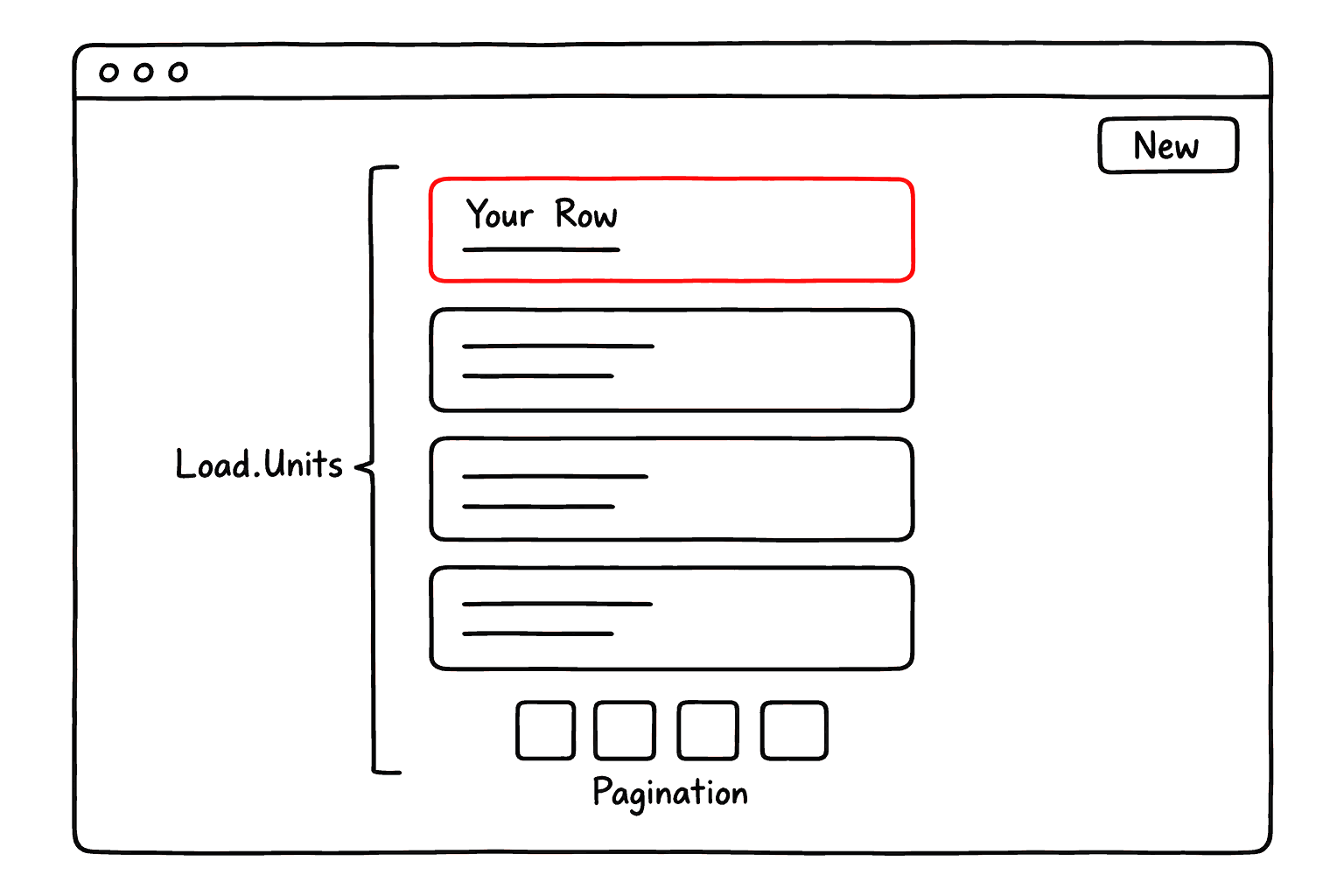
page/**, from a barrel, or from any module component file; re-export it through a lib first. That is why libs/shared/ui/Field.tsx extends the framework Field with Rich, Img and Map instead of each app importing an editor directly.Load.UnitsModel.NewLoad.ViewLoad.Edit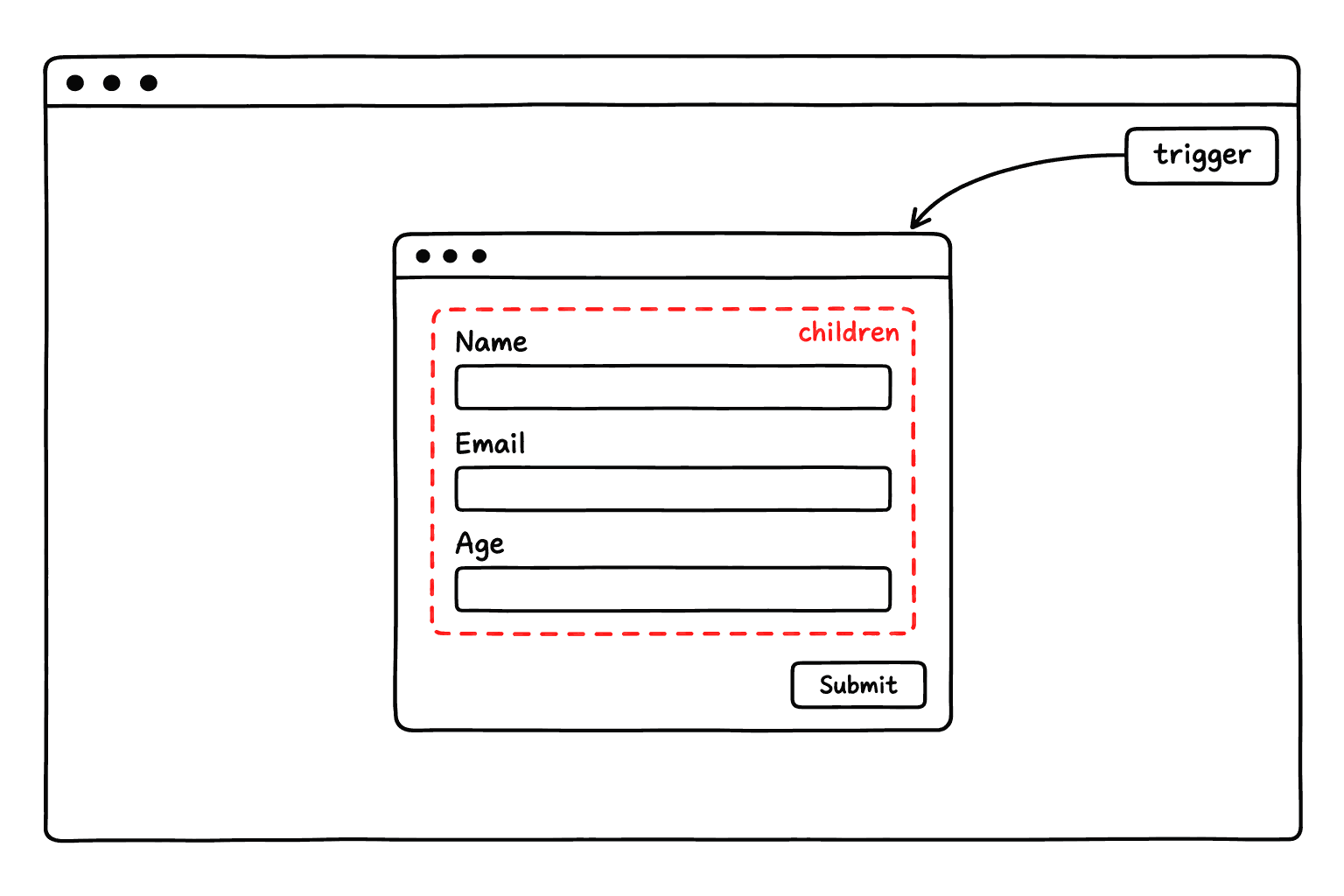
fetch directly; a client component reaches it only through a store action. That one rule keeps the two paths from drifting apart.x<Model>List<Suffix> and x<Model>Insight<Suffix> resolve to hydrated model instances: class objects with methods. React Flight, the format the server uses to hand props to client components, refuses them. Consume them in a server component or inside a Load.Stream. The init field is the one shaped for the boundary.fetch.init* from a client file. From a route it resolves before the first byte; after hydration it is two extra round-trips for a shell the browser already painted. To reload from the client, use the generated st.do.init<Model><Suffix>().cache and cacheKey props are deprecated and store nothing: they covered five control types, keyed on the translated label, and restored over server data. draft={false} turns recovery off, and draft="<scope>" names the scope when the context is in neither the id nor the seed.onChange={(v) => st.do.setSizeOnIcecreamOrder(v)} runs identically, but the arrow is a fresh anonymous closure. The control then emits no data-akan-action and publishes no agent tool for that field, so the in-page agent, E2E selectors and any external browser agent quietly lose it. To normalize a value, use the control's transform prop instead.st.do.writeOnIcecreamOrder("toppings.3.name", value)upload<Field>On<Model>(fileList)fetch and the same store back a customer web site, an admin console, a partner portal and a mobile app — those are client surfaces of one app, not separate apps, and which one a screen belongs to is a product decision before it is an infrastructure one. Multi Client covers how a basePath gives each surface its own routes, layout and permissions.


